Article Review Info
Written by: James Smith
Content Experience: 15 years of electric scooter content research
Last Updated: June 2026
Blog Upgraded: 26 June 2026
Reviewed for: Accuracy, safety, readability, and helpful advice
The current intro explains pedal assist simply, but it does not give a fast answer box. Searchers often want the answer immediately before reading the full guide. Google recommends helpful, people-first content that makes information easy for users to understan
What Is Electric Bike Pedal Assist?
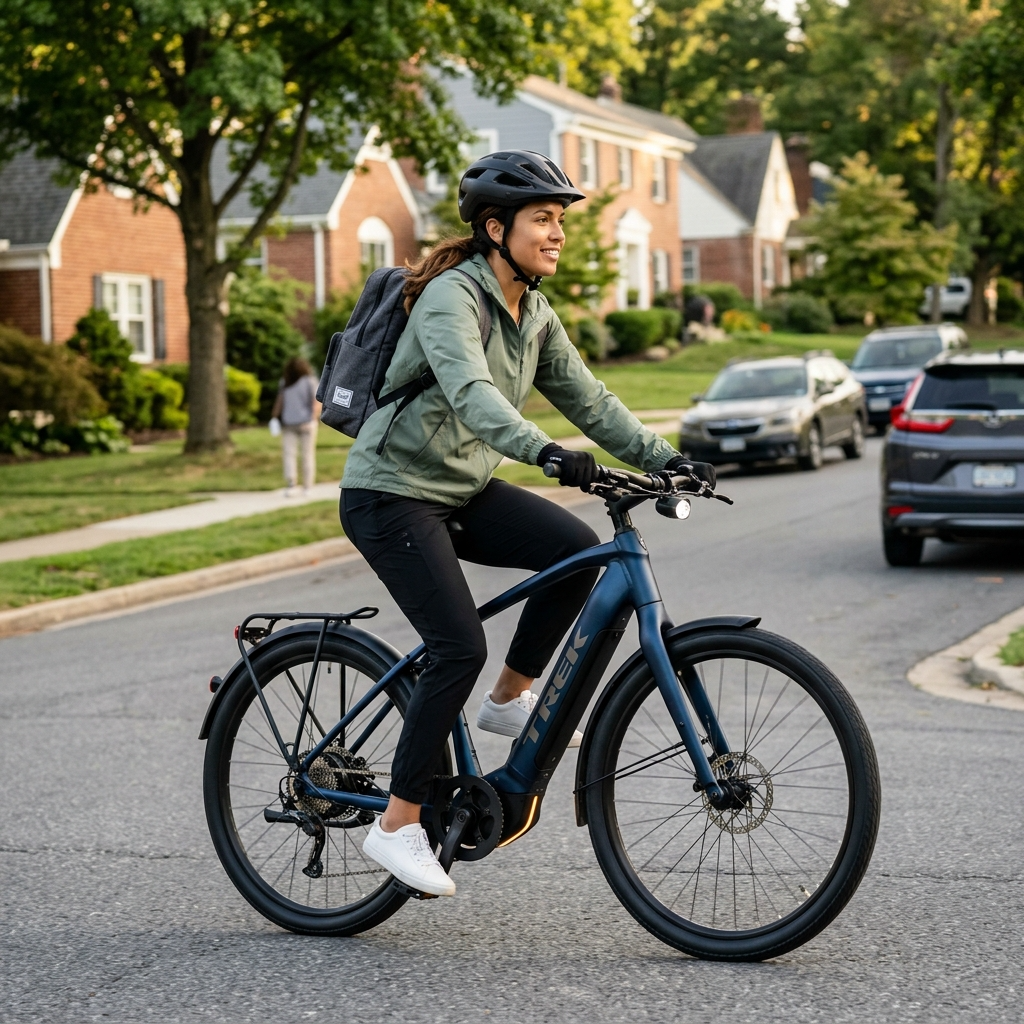
Electric bike pedal assist, also called PAS, gives motor help only when you pedal. It makes starting, climbing hills, commuting and longer rides easier while still keeping the ride close to normal cycling. Lower assist saves battery, while higher assist gives more power but reduces range.
| Quick point | Simple answer |
|---|---|
| What it does | Adds motor help while you pedal |
| Best for | Commuting, hills, longer rides, cargo and easier starts |
| Main sensor types | Cadence sensor and torque sensor |
| Best beginner setting | Low or medium assist |
| Biggest warning | Local e-bike rules can vary by state, city, trail and park |
What Is Pedal Assist on an Electric Bike?

Pedal assist is an e-bike system that gives motor power when you pedal.
It does not replace pedaling. It supports it.
When your feet turn the pedals, a sensor tells the bike’s controller that you are riding. The controller then sends power from the battery to the motor.
The result is simple: your pedaling feels easier.
You may notice:
- Faster starts from stop signs
- Less effort on hills
- Easier cruising into wind
- Better support while carrying groceries or a backpack
- Longer rides with less fatigue
Think of pedal assist as a “boost” added to your legs.
You are still doing part of the work, but the bike helps you do it with less strain.
How Does Pedal Assist Work on an Electric Bike?

Pedal assist works through five main parts:
- Pedals and crank: where your pedaling starts
- Pedal assist sensor: detects pedaling movement or pressure
- Controller: decides how much motor help to send
- Battery: supplies electrical power
- Motor: adds assistance to the wheel or drivetrain
Here is the basic flow:
- You start pedaling.
- The electric bike pedal assist sensor detects your input.
- The controller reads your selected assist level.
- The battery sends power.
- The motor helps move the bike.
When you stop pedaling, brake, or reach the bike’s assist speed limit, the motor should reduce or stop assistance.
That stopping behavior is important for safety.
Cadence Sensor vs Torque Sensor: Why the Ride Feels Different

The sensor is one of the biggest reasons one e-bike feels smooth while another feels jumpy or delayed.
Most e-bikes use either a cadence sensor or a torque sensor.
Cadence Sensor
A cadence sensor detects that the pedals are turning.
It usually does not measure how hard you are pushing. It mainly asks, “Are the pedals moving?”
Once the pedals rotate, the motor adds help based on the assist level.
A cadence sensor often feels like this:
- Easy to ride
- Simple to understand
- Good for relaxed commuting
- Common on budget and utility e-bikes
- Sometimes slightly delayed when starting or stopping
A cadence-sensor e-bike can feel strong even when you are pedaling lightly. That can be helpful on flat roads, but it may feel less natural in tight spaces or slow turns.
Torque Sensor
A torque sensor measures how hard you press on the pedals.
If you pedal harder, the motor gives more help. If you pedal lightly, the motor gives less help.
That makes the ride feel more like a regular bicycle with stronger legs.
A torque sensor often feels better for:
- Hills
- Fitness riding
- Light trails
- Riders who want smooth control
- Stop-and-go riding where gentle response matters
Torque sensors usually feel more natural, but e-bikes with torque sensors often cost more.
Which Sensor Is Better?
Choose a cadence sensor if you want an affordable, easy-riding e-bike for flat roads, errands, or casual commuting.
Choose a torque sensor if you want smoother control, better hill response, and a more bicycle-like feel.
For a daily USA city commute, either can work. For hilly suburbs, heavier cargo bikes, or light trail riding, torque sensing usually feels more controlled.
USA E-Bike Classes and Pedal Assist

In the USA, many states and agencies use a three-class e-bike system.
Under the common model:
- Class 1: pedal assist only, assistance stops at 20 mph
- Class 2: throttle-capable, motor assistance stops at 20 mph
- Class 3: pedal assist, assistance stops at 28 mph
PeopleForBikes describes Class 1 as pedal-assist only up to 20 mph, Class 2 as throttle-capable up to 20 mph, and Class 3 as pedal assist up to 28 mph.
Federal consumer-product rules also define low-speed electric bicycles around fully operable pedals, an electric motor under 750 watts, and a motor-only speed under 20 mph on a paved level surface under specified test conditions.
That does not mean every local riding rule is the same.
State, city, trail, park, and campus rules can differ. NCSL notes that states with three-tier e-bike systems typically exempt e-bikes from registration, licensure, and insurance requirements, but local use rules can still vary.
Before riding on trails, sidewalks, campuses, boardwalks, or park paths, check local signs and rules.
How to Use Pedal Assist on an Electric Bike
Good pedal-assist riding is not just about turning the bike on and choosing the highest setting.
The goal is to match the assist level to the road, your speed, your battery, and your comfort.
Most e-bikes offer several assist levels, such as:
- Eco
- Level 1
- Level 2
- Level 3
- Sport
- Turbo
The names vary by brand, but the idea is the same: higher assist gives more motor help and uses more battery.
Choosing the Right Pedal Assist Level

Use Low Assist for Flat Roads
Low assist is best for relaxed riding.
Use it when:
- Riding on flat streets
- Cruising in bike lanes
- Saving battery
- Riding on shared paths
- Wanting light exercise
Low assist usually gives the best range because your legs are doing more of the work.
Use Medium Assist for Everyday Commuting
Medium assist is often the most useful setting for daily riding.
Use it when:
- Starting from stop signs
- Riding in traffic
- Climbing mild hills
- Riding into wind
- Carrying a backpack or small load
For many commuters, medium assist is the “set it and ride” mode.
Use High Assist for Hills and Heavy Loads
High assist is useful, but it drains the battery faster.
Use it when:
- Climbing steep hills
- Carrying cargo
- Riding a heavier fat-tire e-bike
- Starting on an incline
- Keeping momentum safely where bikes are allowed
High assist is not wrong. It just should be used with awareness.
If you ride everywhere in high assist, expect shorter range.
Use Your Gears With Pedal Assist

A common beginner mistake is treating an e-bike like it has no gears.
Pedal assist helps, but gears still matter.
Use an easier gear when:
- Starting from a stop
- Climbing hills
- Riding slowly
- Carrying cargo
Use a harder gear when:
- Cruising on flat roads
- Riding at higher speeds
- Your legs are spinning too fast
If your legs feel like they are grinding slowly, shift down.
If your legs are spinning wildly, shift up.
This protects your knees, saves battery, and helps the motor work more efficiently.
Riding Techniques for Smooth Pedal Assist

Pedal assist feels best when your riding is smooth.
Use these habits:
- Start in low or medium assist.
- Pedal gently before expecting motor help.
- Shift before the hill, not halfway up.
- Reduce assist in crowded areas.
- Keep both hands ready on the brakes.
- Slow down before turns.
- Do not test high assist in tight spaces.
This matters because some e-bikes respond strongly when the motor engages.
If you are new to e-bikes, practice in an empty parking lot before riding in traffic.
Electric Bike Pedal Assist vs Throttle

Pedal assist and throttle both use the motor, but they feel different.
Pedal Assist
Pedal assist helps while you pedal.
Best for:
- Longer range
- Exercise
- Natural bicycle feel
- Hills
- Daily commuting
- Shared-use paths where allowed
Pedal assist usually uses battery more efficiently because you and the motor share the work.
Throttle
A throttle can move the bike without pedaling.
Best for:
- Quick starts
- Short bursts of help
- Getting moving with cargo
- Riders with knee or mobility limitations
- Starting on hills
A throttle is convenient, but frequent throttle use usually drains the battery faster.
Which One Should You Use?
Use pedal assist as your main riding mode if you want range, control, and a more natural bike feel.
Use throttle briefly if your e-bike has one and local rules allow it.
For example:
- City commute: use medium pedal assist, then light throttle only for starts if needed.
- Suburban hills: use medium or high pedal assist with lower gears.
- Light trail riding: use low or medium pedal assist for better traction and control.
- Cargo errands: use medium assist, lower gears, and occasional throttle starts if available.
Pedal assist is usually the better everyday choice. Throttle is better as a helper, not always the main method.
Do All Electric Bikes Have Pedal Assist?

No, not all electric bikes have pedal assist.
Most modern e-bikes do, but there are exceptions.
Class 1 E-Bikes
Class 1 e-bikes are pedal-assist only.
They do not use a throttle under the common class definition. The motor helps only while you pedal and stops assisting at 20 mph.
These are often the most accepted class for bike paths and shared-use areas, but local rules still matter.
Class 2 E-Bikes
Class 2 e-bikes are throttle-capable.
Many Class 2 models also include pedal assist, but the key legal feature is that the throttle can propel the bike without pedaling up to 20 mph under the common class definition.
Class 2 bikes are popular for commuters and riders who want backup help at starts.
Class 3 E-Bikes
Class 3 e-bikes use pedal assist up to 28 mph under the common class definition.
They are popular for road commuting, but they may be restricted from some shared paths, trails, or sidewalks.
Throttle-Only and Non-Classed Models
Some electric bikes or e-bike-like vehicles are throttle-only.
Some faster electric vehicles are marketed like e-bikes but may exceed normal e-bike class limits. If a vehicle is too powerful or too fast, it may be treated differently under state or local law.
Be careful with terms like:
- “Unlocked”
- “Race mode”
- “Off-road only”
- “No speed limit”
- “High-power e-bike”
Those may not be legal for normal street, bike lane, or trail use.
Why Is My Electric Bike Pedal Assist Not Working?

If your pedal assist stops working, start with simple checks.
Do not immediately assume the motor is broken.
Common Reasons Pedal Assist Stops Working
Pedal assist may fail because of:
- Battery is low or not seated correctly
- Assist level is set to zero
- Display is turned on but assist is disabled
- Brake cutoff sensor is stuck
- Pedal assist sensor is dirty or misaligned
- Cadence magnet ring is loose
- Speed sensor is out of position
- Motor cable is loose
- Controller has an error
- Wiring is damaged
- The bike is showing an error code
Safety First
Before checking the sensor or cables, turn the bike off.
Keep your fingers away from the chainring, crank, spokes, and moving parts.
Do not open the battery, motor, or controller unless you are trained. Those parts can be dangerous and may also void your warranty.
CPSC recommends following local traffic laws, wearing a helmet, checking for damage to parts such as brakes, throttle, lights, tires, cables, and frame, and following manufacturer directions for micromobility devices.
Pedal Assist Troubleshooting Checklist

Use this order.
1. Check the Battery
Make sure the battery is charged, locked in place, and fully connected.
If the display turns on but the bike does not assist, the battery may still be too low for motor output.
2. Check the Assist Level
Make sure the bike is not in:
- Level 0
- Off mode
- Walk mode
- Eco-only mode with very light support
Try Level 1 or Level 2 in a safe open area.
3. Restart the Bike
Turn the e-bike off. Wait a few seconds. Turn it back on.
Some display or controller errors clear after a reset.
4. Look for Error Codes
If your display shows an error code, check the owner’s manual.
Do not guess. Error codes are brand-specific.
5. Check Brake Levers
Many e-bikes cut motor power when the brake lever is pulled.
If a brake sensor is stuck, loose, or misaligned, the bike may think you are braking all the time.
That can stop pedal assist from working.
6. Inspect the Pedal Assist Sensor
Look near the crank area.
On many cadence-sensor bikes, there is a small sensor and a magnet ring. If the ring is dirty, cracked, loose, or too far from the sensor, the bike may not detect pedaling.
Do not force parts. If anything looks broken, visit a bike shop.
7. Check Visible Cables
Look for cables that are:
- Loose
- Pinched
- Cut
- Wet
- Corroded
- Pulled apart near connectors
After transporting an e-bike on a car rack, cable issues are common.
8. Test Carefully
Test pedal assist in a quiet parking lot or empty street.
Start in low assist. Pedal gently. Make sure the motor starts and stops predictably.
9. Get Professional Help
Visit a qualified e-bike shop if:
- Assist cuts in and out
- The motor surges unexpectedly
- The display shows repeated errors
- Wires are damaged
- The battery smells unusual, gets hot, or looks swollen
- The bike was recently crashed or dropped
Unpredictable assist is a safety issue, especially in traffic.
Safety Tips for Riding With Pedal Assist

Pedal assist makes riding easier, but it can also make the bike faster than beginners expect.
Use these safety habits:
- Wear a properly fitted helmet.
- Obey traffic signs and signals.
- Ride predictably.
- Signal turns.
- Use lights in low visibility.
- Slow down on shared paths.
- Give pedestrians extra room.
- Practice before riding in traffic.
- Check brakes before every ride.
NHTSA advises cyclists to follow rules of the road, ride predictably, and use properly fitted helmets to reduce crash risk.
Pedal assist should make riding easier, not careless.
FAQs About Electric Bike Pedal Assist

What is pedal assist on an electric bike?
Pedal assist is a system that adds motor power while you pedal. It helps you ride with less effort but still requires pedaling.
How does pedal assist work on an electric bike?
A sensor detects your pedaling. The controller reads that signal and sends battery power to the motor based on your selected assist level.
How do I use pedal assist on an electric bike?
Start in low or medium assist, pedal smoothly, use your gears, and increase assist only when needed for hills, wind, cargo, or traffic starts.
What is an electric bike pedal assist sensor?
It is the part that detects your pedaling. A cadence sensor detects pedal movement. A torque sensor detects how hard you push on the pedals.
Is pedal assist better than throttle?
Pedal assist is usually better for range, exercise, and natural control. A throttle is better for quick starts or short bursts of help.
Why is my electric bike pedal assist not working?
Common causes include low battery, assist set to zero, brake sensor problems, loose cables, sensor misalignment, speed sensor issues, or controller errors.
Do all electric bikes have pedal assist?
No. Most modern e-bikes include pedal assist, but some throttle-only or specialty models may not.
Can I ride an e-bike with pedal assist turned off?
Yes, usually. But the bike may feel heavier than a regular bicycle because of the motor and battery.
Does higher pedal assist mean more speed?
Sometimes, but not always. Higher assist mainly means more motor help. Your final speed still depends on the bike class, terrain, rider input, battery charge, motor system, and local speed limits.
Quick Checklist: Best Pedal Assist Use
Use this as a simple rider guide.
For Maximum Range
- Use low assist.
- Pedal smoothly.
- Keep tires properly inflated.
- Avoid frequent throttle use.
- Shift gears correctly.
For Hills
- Shift to an easier gear before the hill.
- Use medium or high assist.
- Keep pedaling steadily.
- Avoid standing starts on steep inclines if possible.
For City Commuting
- Use medium assist.
- Start smoothly.
- Watch for cars turning across bike lanes.
- Reduce assist in crowded areas.
- Keep braking distance in mind.
For Light Trails
- Use low or medium assist.
- Avoid sudden power surges.
- Stay off restricted trails.
- Check local e-bike class rules before riding.
If Pedal Assist Stops Working
- Check battery.
- Check assist level.
- Restart the bike.
- Look for error codes.
- Check brake sensors.
- Inspect the pedal assist sensor.
- Check visible cables.
- Visit a shop if the issue continues.
Pingback: Electric Bike Motor Comparison 2026: Hub vs Mid-Drive, Watts & Torque - electricscootercar.com
Pingback: Electric Bike Speed Limit USA: 2026 Class & State Rules - electricscootercar.com
Pingback: Electric Bike Range Explained: Real Miles Per Charge + Calculator - electricscootercar.com
Pingback: Electric Bike Troubleshooting Guide: Battery, Motor & Display Fixes - electricscootercar.com
Pingback: Electric Bike Throttle Explained: How It Works, Legal Basics & Troubleshooting - electricscootercar.com
Comments are closed.